Match Every Top to the Right Base
A base that is too small for its top tips. A base that is too large crowds leg room. Find your top size below, see which bases fit, and shop direct — no measuring charts to decode.
Find Your Base by Top Size
Select your top shape below. Each card shows the top size, how many guests it seats, and the bases that fit — with direct links to shop filtered results. For heavy top materials (stone, thick solid wood), size one step up from what the card shows. Details in Section 4.
Base span should be roughly 50–60% of the top's shortest dimension. For a 30" top: 30 × 0.55 = 16.5" minimum — which is why an 18" base is standard for tops up to 30". Round up, never down. Heavy material? Add one size.
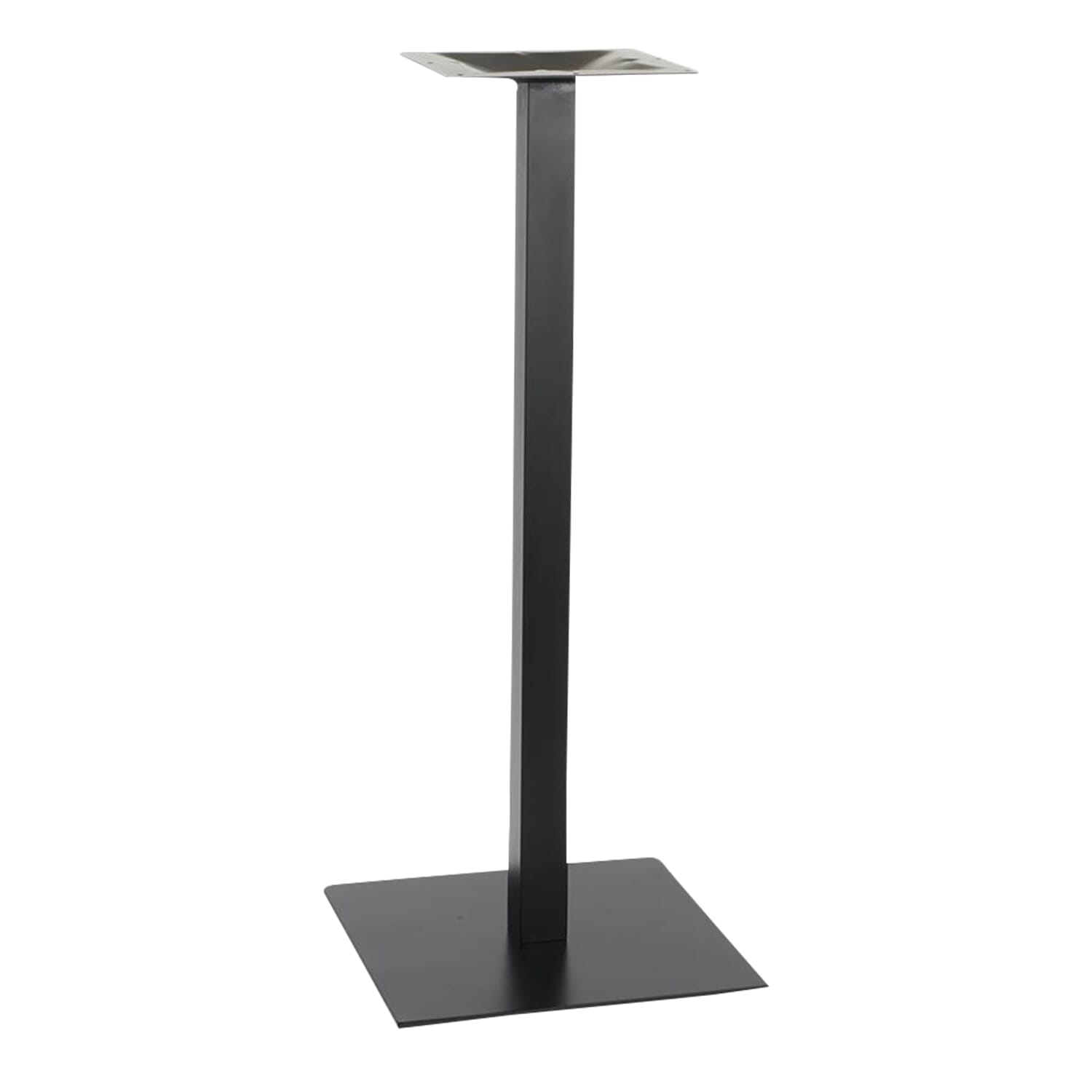
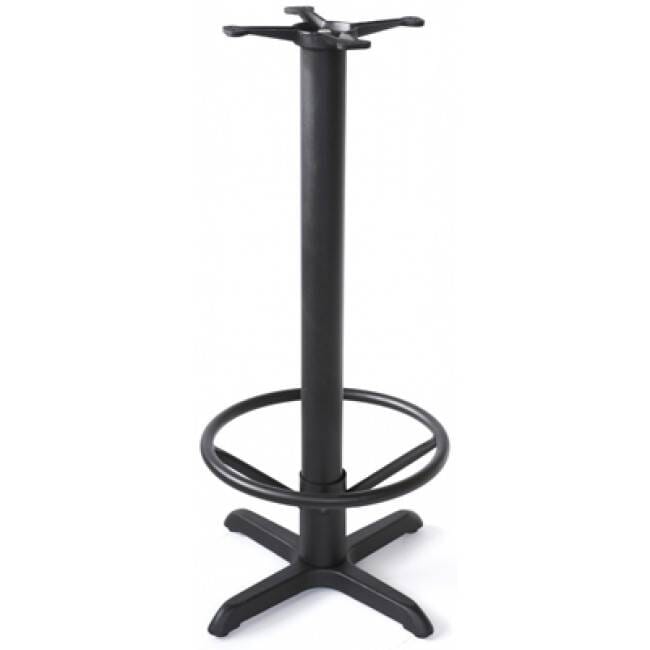
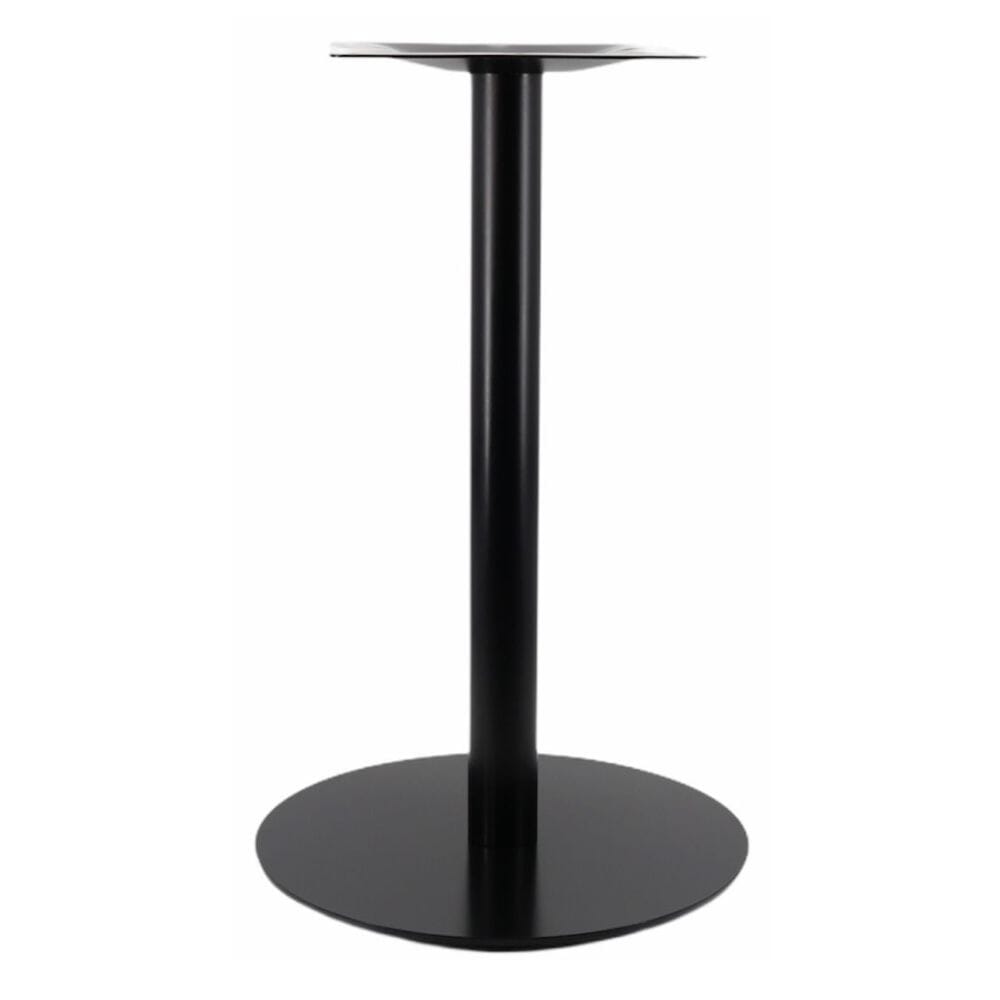

-
Square Table Tops
Table Top Size/Dimension
Recommended Base Sizes/Shapes
2 seats 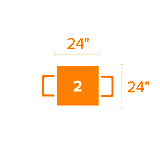
24"x24"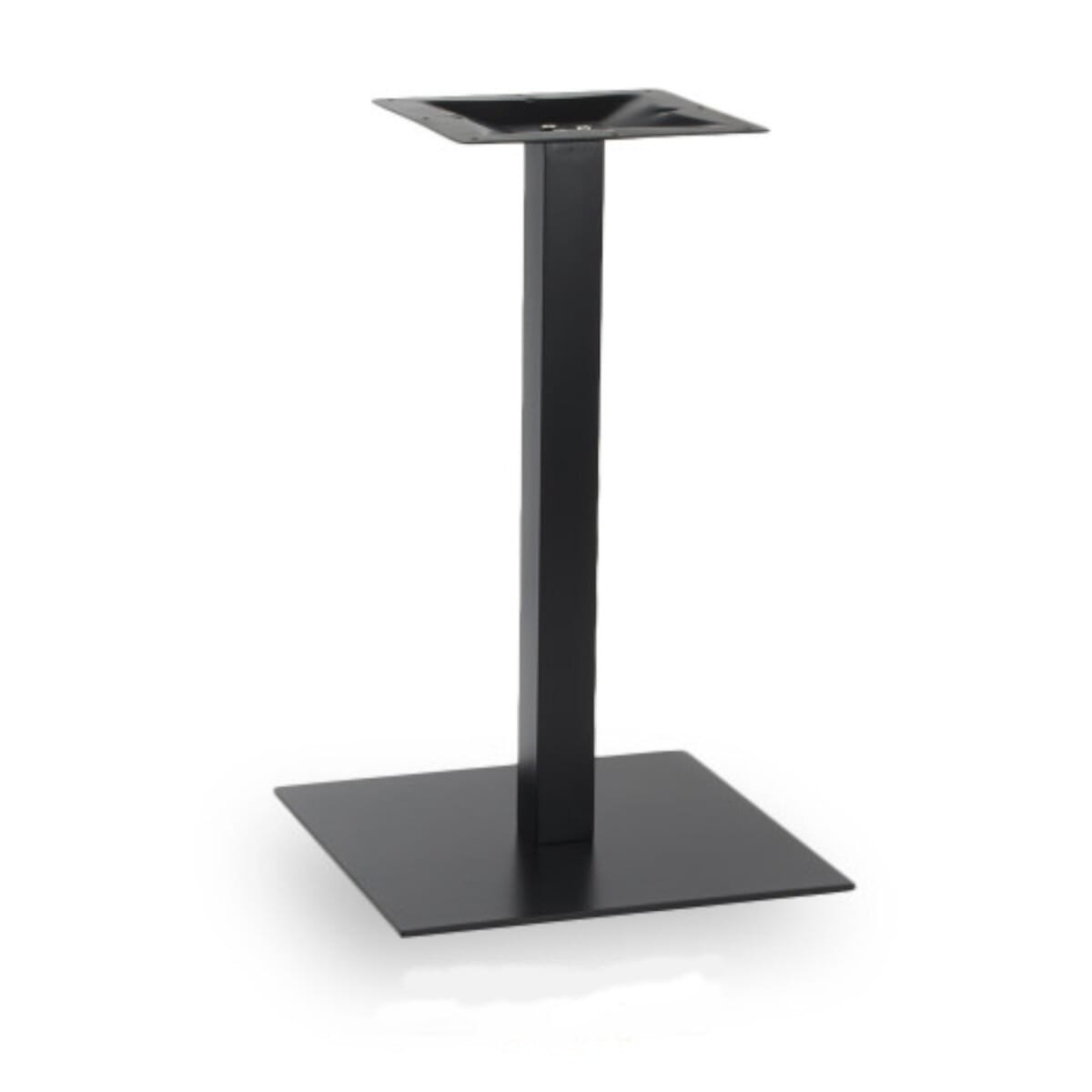
17"x17" or 18"x18" Square (shop) 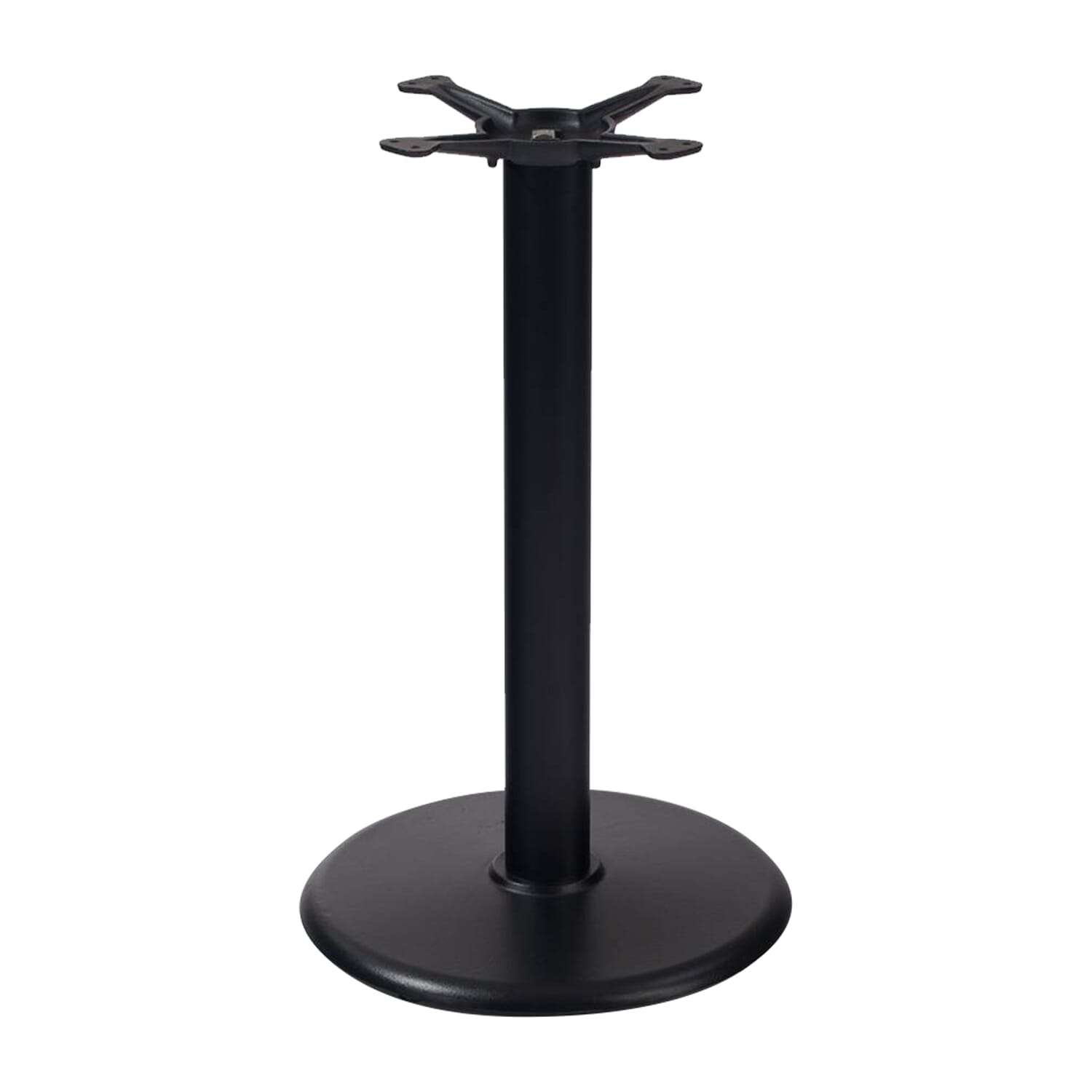
18" Round (shop) 2-4 seats 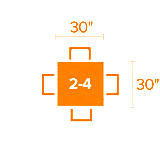 30"x30"
22"x22" Square (shop) 18" Round (shop) 4 seats 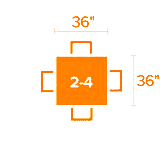
36"x36"
30"x30" Square (shop) 23" Round (shop) 4-8 seats 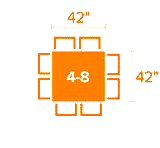
42"x42"
33"x33" Square (shop) 30" Round (shop) Round Table Tops
Table Top Size/Dimension
Recommended Base Sizes/Shapes
2 seats 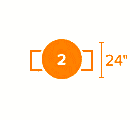
24" Diameter
18"x18" Square (shop) 18" Round (shop) 3-4 seats 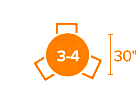
30" Diameter
22"x22" Square (shop) 18" Round (shop) 3-4 seats 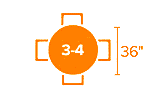
36" Diameter
30"x30" Square (shop) 23" Round (shop) 4-5 seats 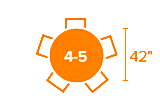
42" Diameter
32"x32" or 33"x33" Square (shop) 30" Round (shop) 5-6 seats 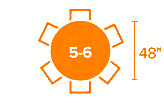
48" Diameter
33"x33" Square (shop) 30" Round (shop) 6 seats 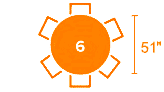
51" Diameter
33"x33" Square (shop) 30" Round (shop) 6-8 seats 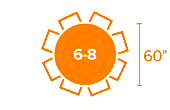
60" Diameter
30" Round (shop) 2 x 23" Round (shop) 3 x 18" Round (shop) -
Rectangular Table Tops
Table Top Size/Dimension
Recommended Base Sizes/Shapes
2 seats 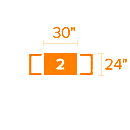
24"x30"17"x17" or 18"x18" Square (shop) 18" Round (shop) 2-4 seats
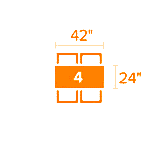 24"x42"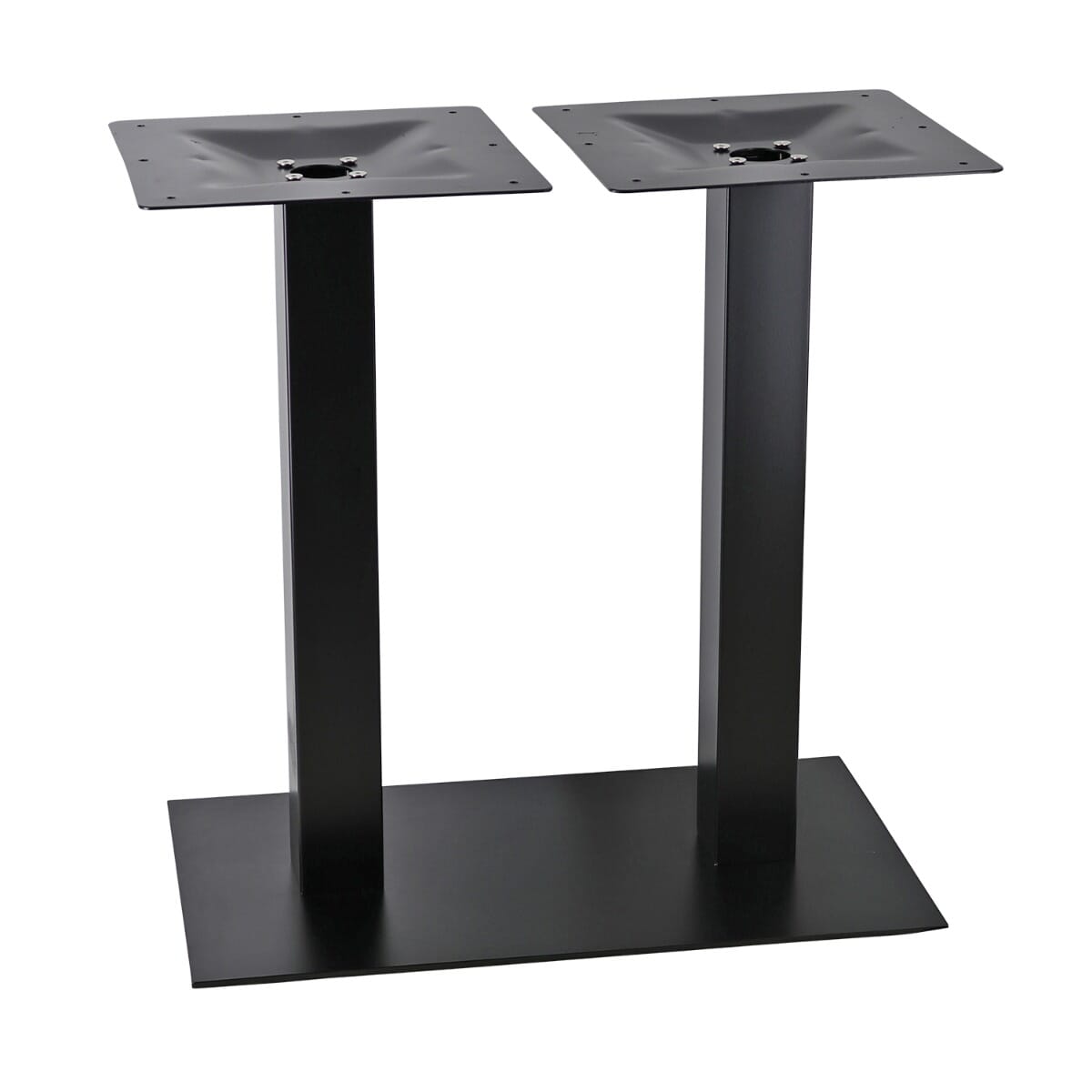
16"x28” Rectangular (shop) 23"x23" Square (shop) 23" Round (shop) 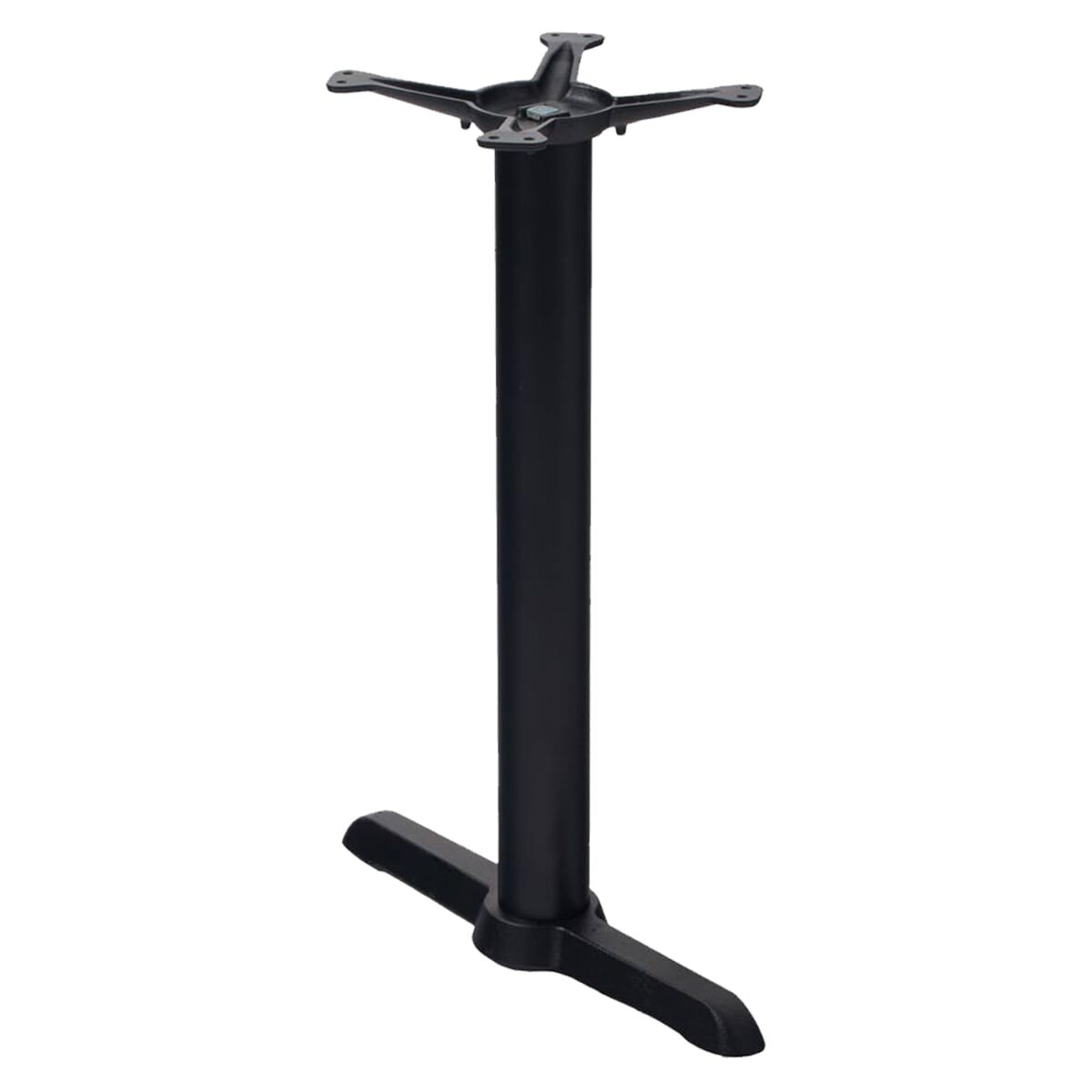
2 x Single slat (shop) 4 seats 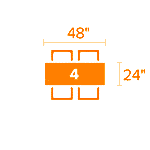
24"x48"
16"x28” Rectangular
24"x24" Square (shop) 2 x Single slat (shop) 4-6 seats 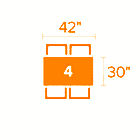
30"x42"
24"x30" Rectangular (shop) 23" or 24" Round (shop) 2 x Single slat (shop) 4-6 seats 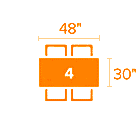
30"x48"
24"x36" Rectangular (shop) 24" Round (shop) 2 x Single slat (shop) 2 x 18" Round (shop) 6 seats 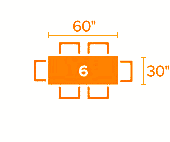
30"x60"
2 x 22"x22" Square (shop) 2 x 23" Round (shop) 2 x 18" Round (shop) 6-8 seats 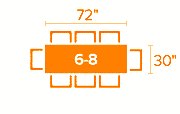
30"x72"
2 x 22"x22" Square (shop) 2 x 23" or 24" Round (shop) 8 seats 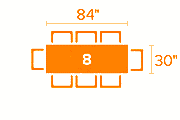
30"x84"
2 x 22"x22" Square (shop) 2 x 30" Round (shop)
For heavy top materials — solid wood, sintered stone, granite — size the base one step up from what the card above shows. Details on material pairing in Section 4.
Which Base Style for Which Situation
Sizing determines the footprint. Style determines the weight distribution, leg room, and aesthetic. These six styles cover the full range of commercial applications — with direct links to shop each.
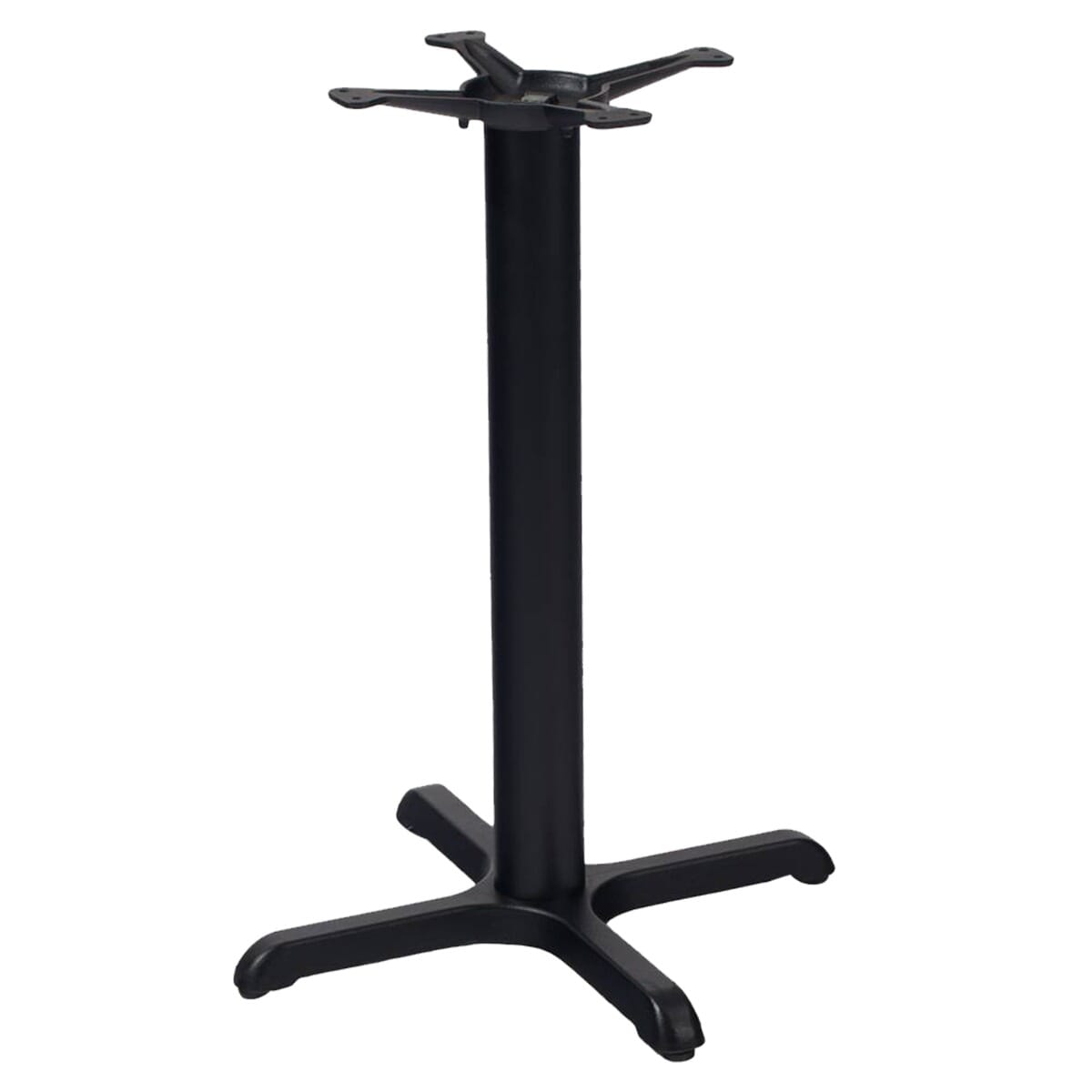
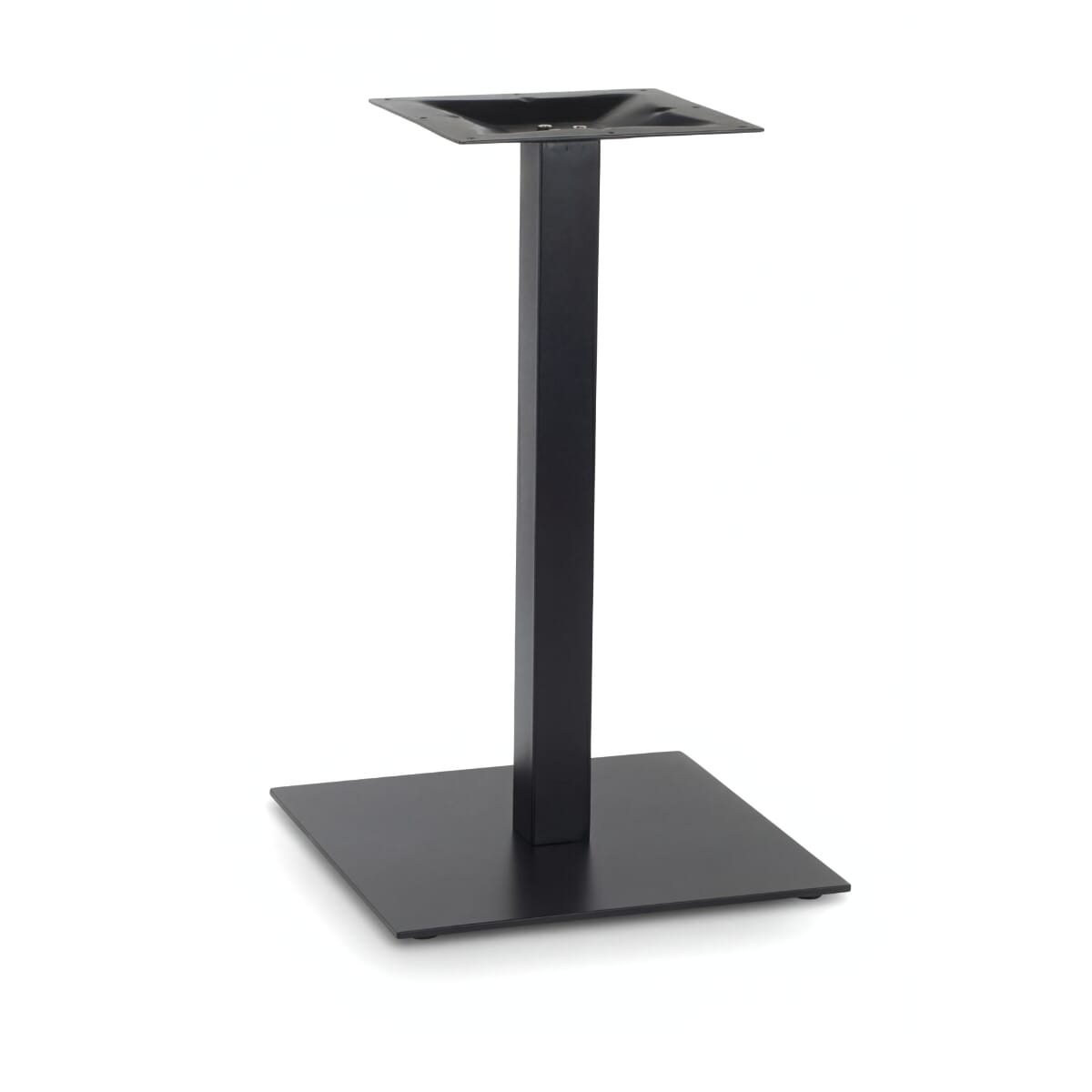
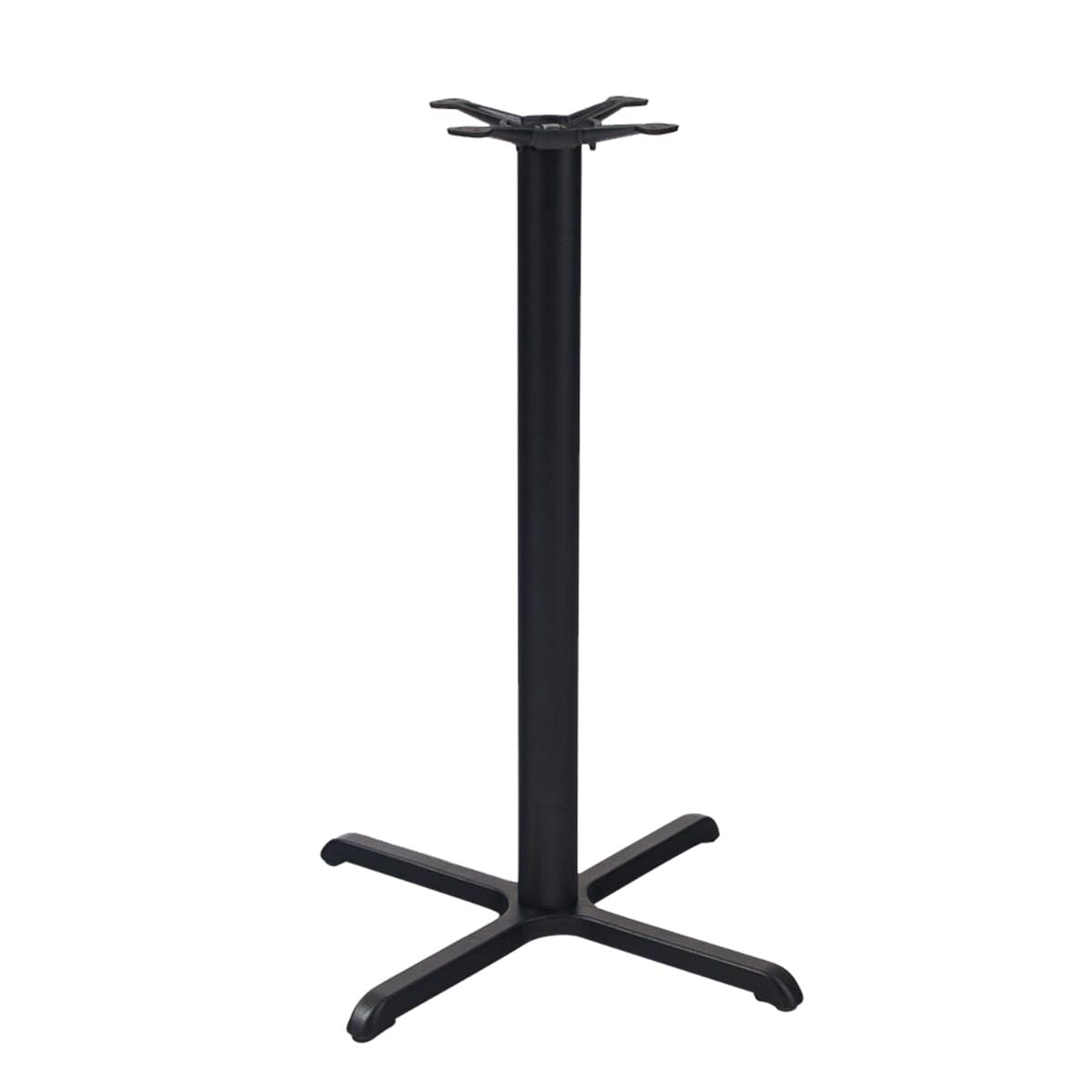
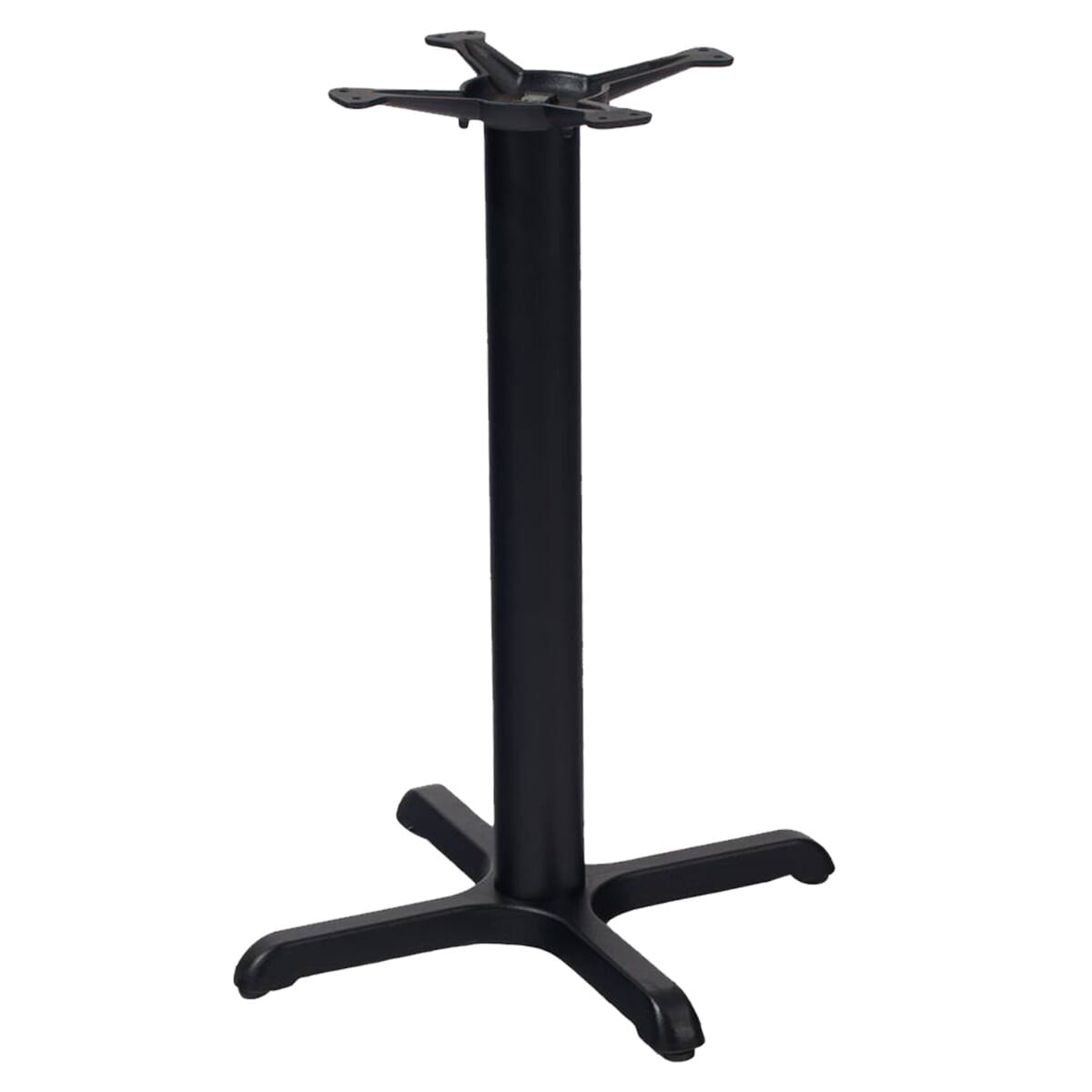
Cross Table Bases
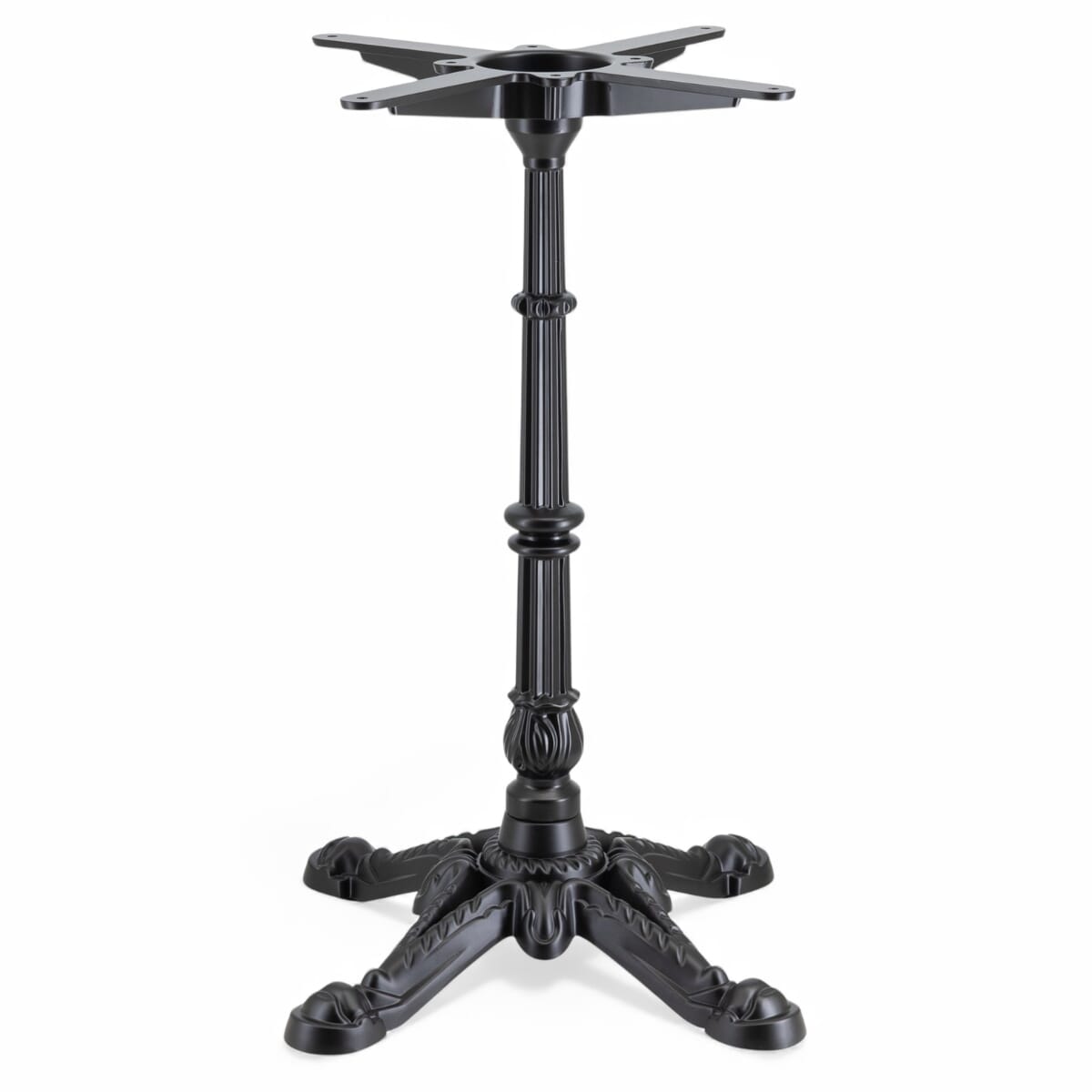
The X-cross footprint across cast iron, welded steel, and aluminum. The most common base shape in commercial dining — available in black powder coat, chrome, stainless, and brushed finishes for indoor and outdoor use.
- Cast iron, welded steel, and aluminum options
- Standard dining (28") and bar height (41")
- Indoor, outdoor, and indoor/outdoor-rated models
Pedestal Bases
Column and pedestal-style bases in cast iron, aluminum, and stainless steel. Includes ornate decorative profiles and streamlined commercial designs — from lightweight outdoor-rated models to heavy indoor cast iron.
- Cast iron ornate, aluminum, and stainless options
- Decorative and contemporary commercial profiles
- Indoor, outdoor, and indoor/outdoor-rated models
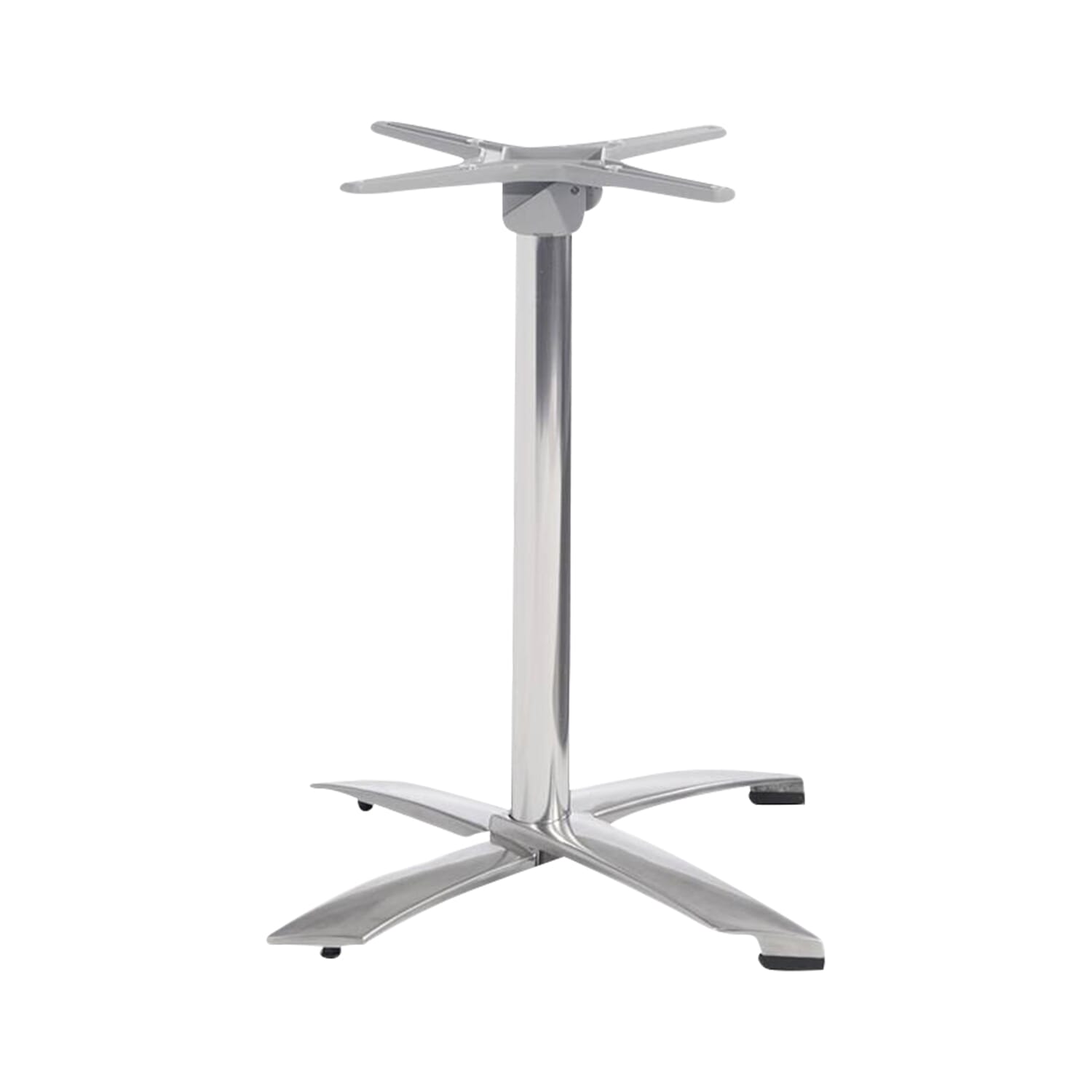
Pedestal-Style
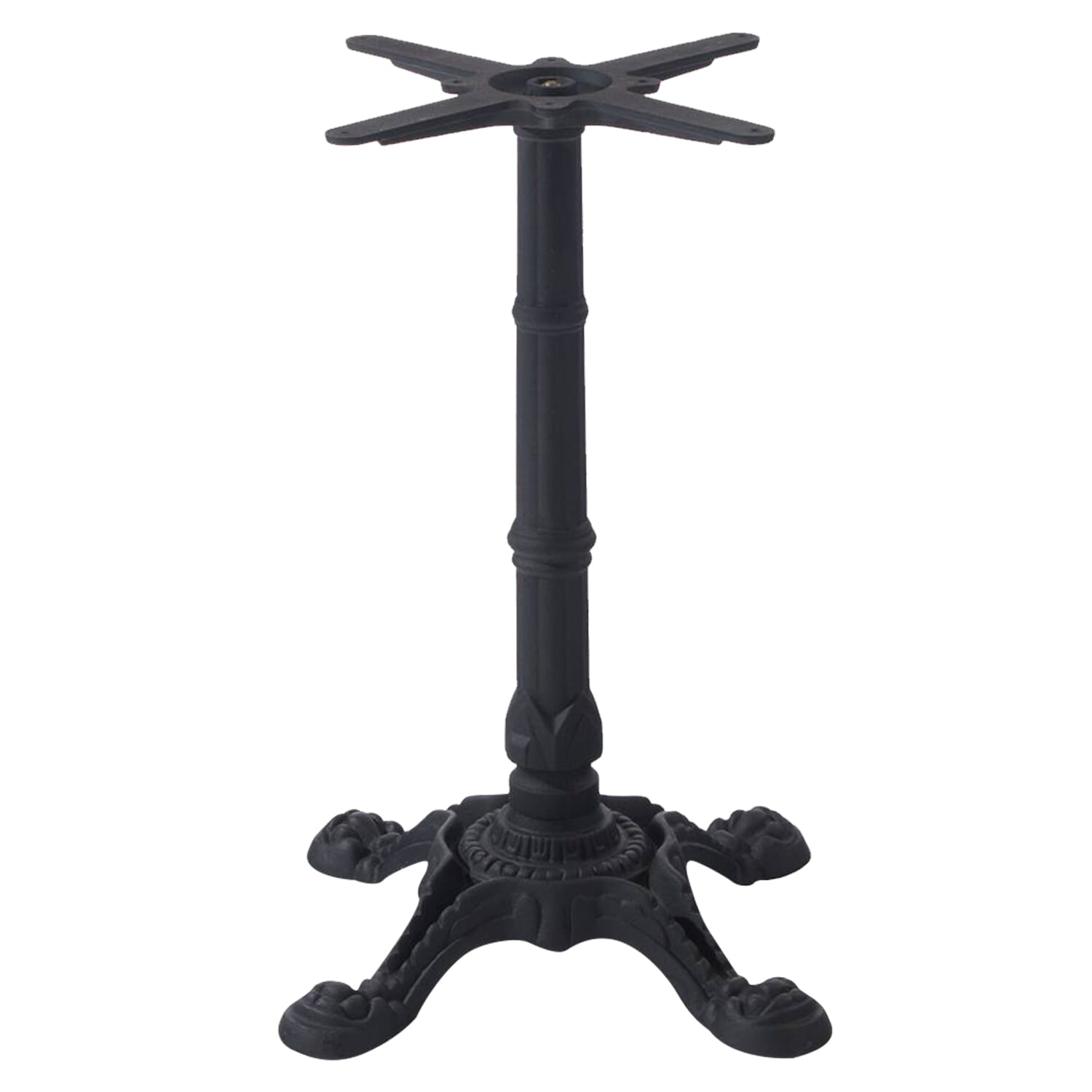
Classic French bistro silhouette. Cast iron (41–54 lbs) for indoor fine dining; aluminum (10 lbs) for outdoor terraces and high-turnover reconfiguration.
- Cast iron: 22"×22" and 32"×32"
- Aluminum: 22"×22", indoor/outdoor rated
- Folding flip-top on aluminum models
Single Slat Base
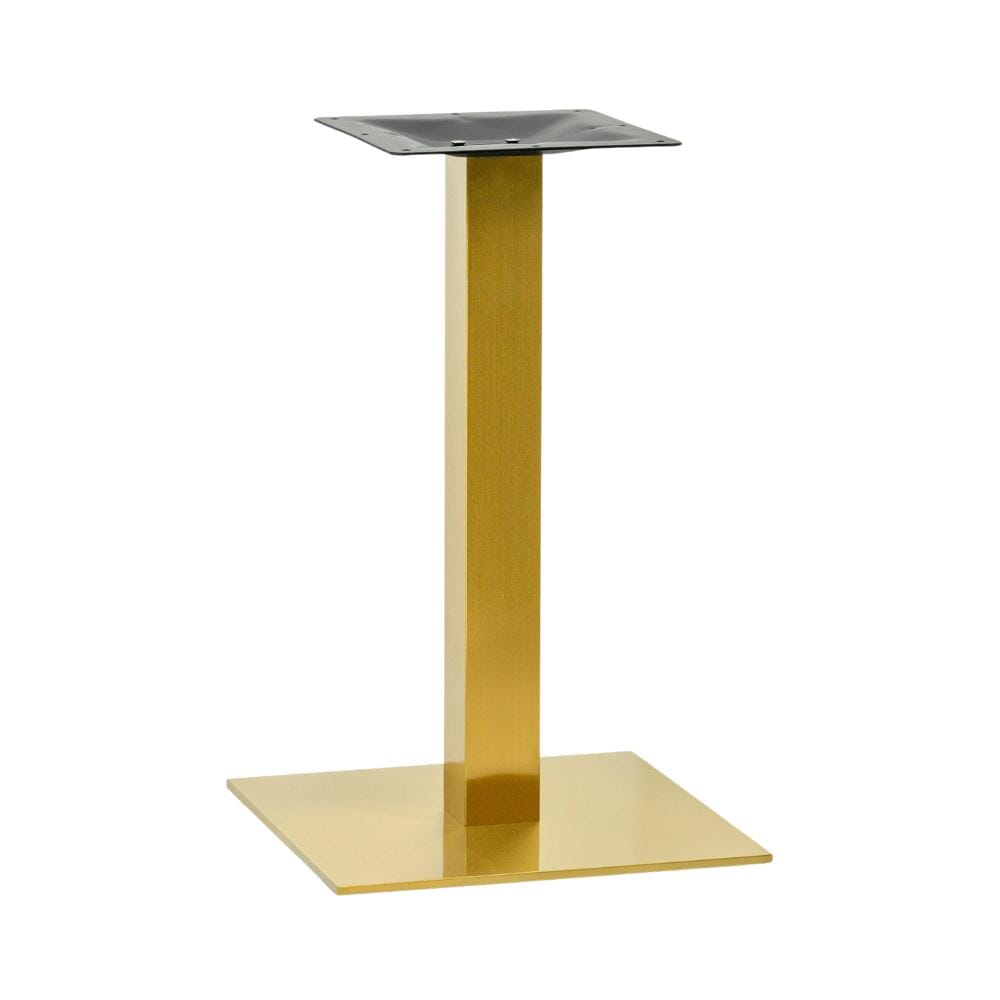
Flat rectangular foot (5" × 22") for perimeter bar seating and narrow tops where a four-arm base would protrude into the aisle. Black, stainless, gold finish options.
- Best for: wall-mount bar tops, 18"–24" wide
- Bar height (41") standard
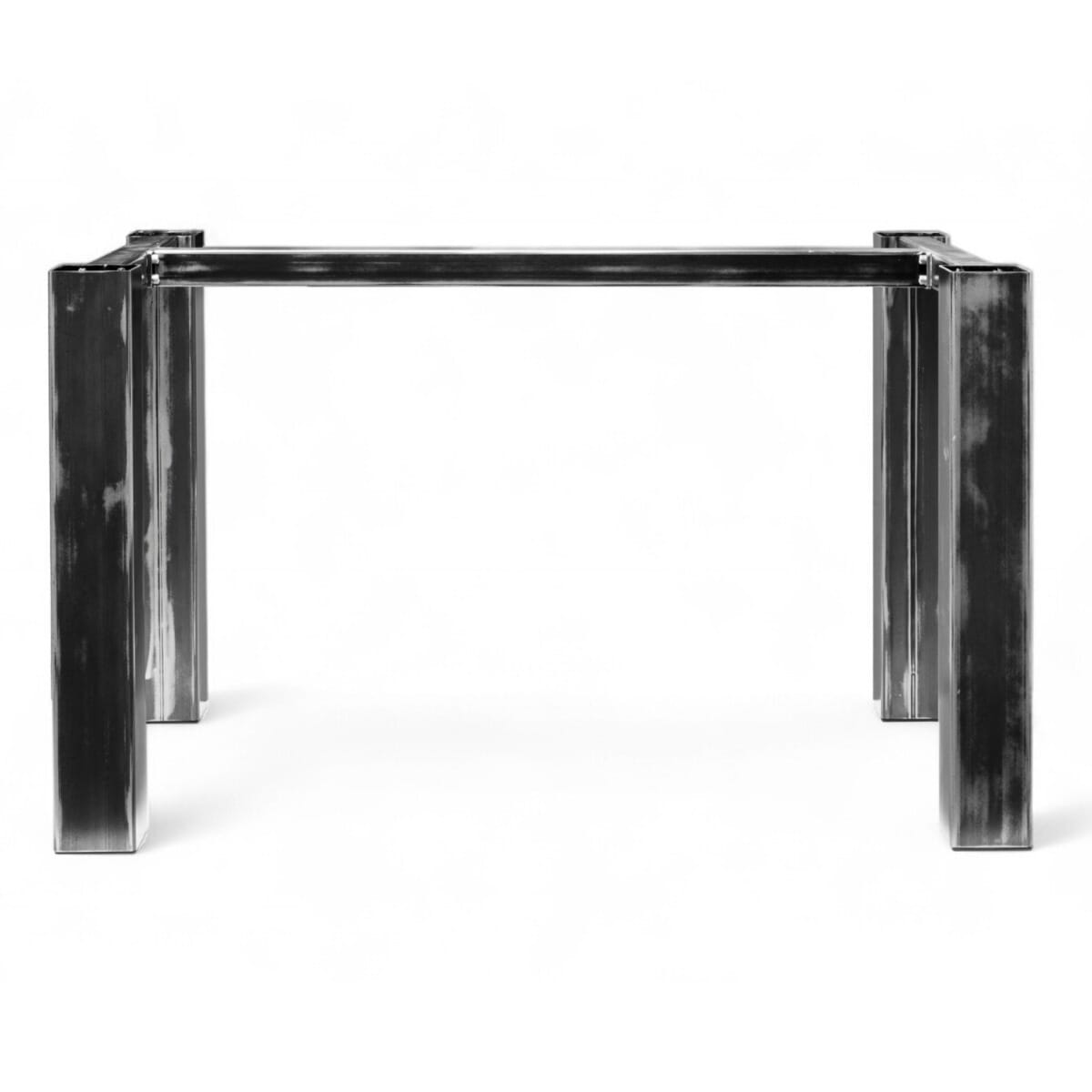
Heavy-Duty Beam Base
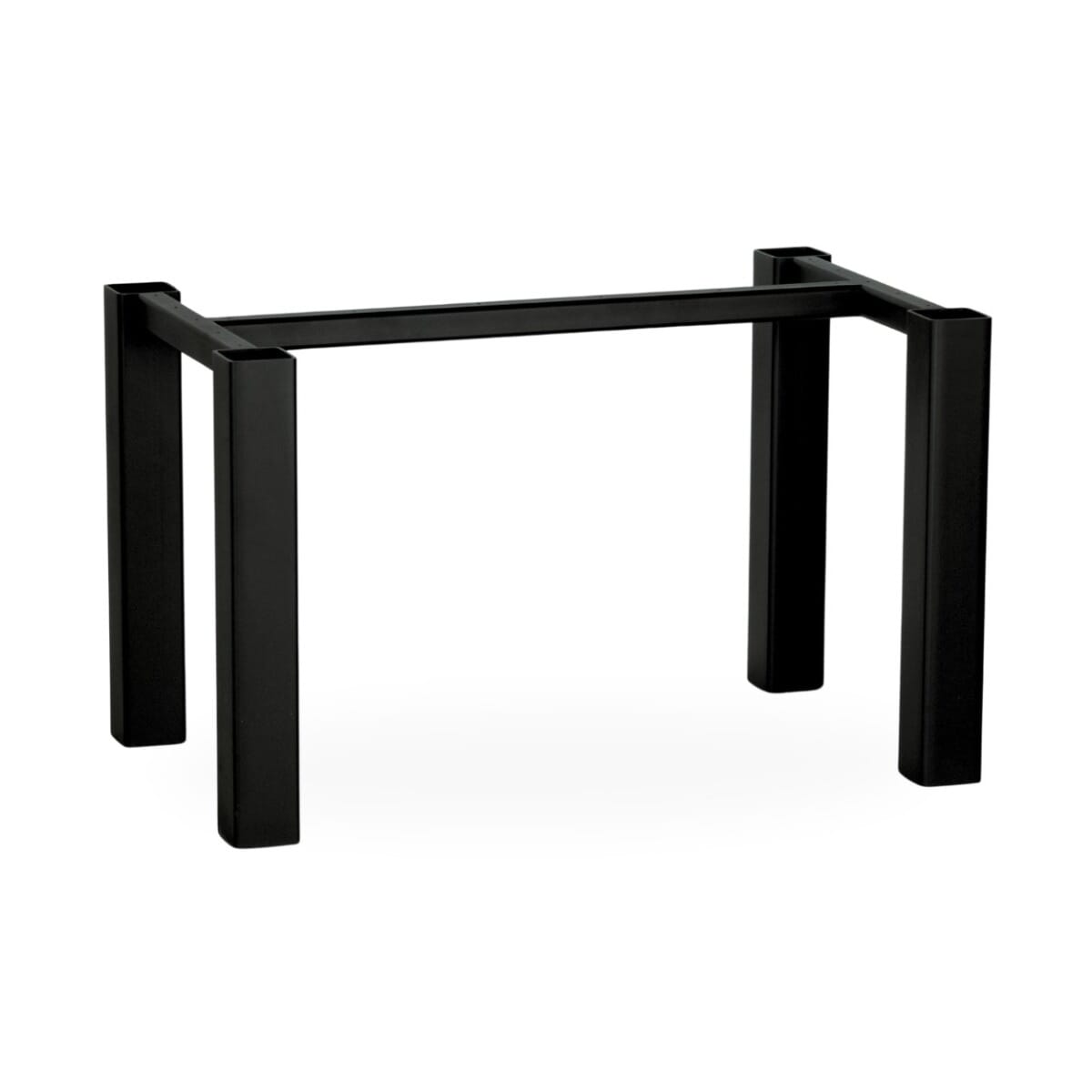
Welded steel beam-style bases built for 30"×48", 30"×60", and 30"×72" tops. 59 lbs. 14 color options. Custom dimensions on request.
- Correct solution for tops 48" and longer
- Standard (28.5") and bar height (40.5")
- Custom sizes: submit for pricing

Aluminum Outdoor
8–17 lb aluminum construction. X-shaped and folding flip-top designs. Corrosion-resistant for year-round outdoor use. 22"×22" through 32"×32" and 24"×36".
- Best for: patios, rooftops, event spaces
- Folding models nest for off-season storage
- Self-leveling versions available
One Base or Two?
Single-pedestal bases work for tops up to approximately 48" in any dimension. Beyond that, the overhang past the base footprint creates leverage that makes the table unstable — especially when guests lean on one end or a bus tub gets set down.
| Top Dimensions | Base Configuration | Recommended Base(s) | Notes |
|---|---|---|---|
| Up to 30"×30" or 30"D | Single base | 22"×22" or 18" round | Standard 2-top; single base is sufficient |
| 30"×42" or 36"×36" | Single base | 30"×30" cross or 24" round | 4-top workhorse; stay within the chart's size band |
| 30"×48" or 36"×48" | Beam base or two single bases | Axel/Hudson/Wyatt or 2× 22"×22" | Beam base is cleaner; two singles require ~29–30" spacing on center |
| 30"×60" | Beam base or two single bases | Axel/Hudson/Wyatt or 2× 24"×30" | Two-base spacing: ~38–40" on center |
| 30"×72" | Beam base or two single bases | Axel/Hudson/Wyatt or 2× 30"×30" | Two-base spacing: ~48" on center |
| 60"D round or larger | Two single bases | 2× 24" round, symmetric | Confirm top manufacturer's recommended base placement |
When using two single bases under one top, position them symmetrically — equal distance from each end — and confirm the base footprint does not protrude past the top edge. Industry guideline: 2–4" inset from each edge as a minimum.
Matching the Base to Your Top Material
The size chart assumes a standard-weight top. Stone, solid wood, and thick laminate tops are significantly heavier than their dimensions suggest — and the base has to provide enough counterweight and structural rigidity to keep that mass stable.
| Top Material | Recommended Base | Notes |
|---|---|---|
| Laminate / HPL | Cast iron cross, aluminum, or stainless | Widest compatibility; any commercial base in the right size range works |
| Resin / Synthetic Teak | Aluminum outdoor bases preferred | Outdoor-designed tops pair naturally with outdoor-rated aluminum bases |
| Solid Wood / Butcher Block | Cast iron — size one step up from chart minimum | Cast iron's mass counterbalances the heavier top |
| Sintered Stone | Cast iron — match chart, size up for larger tops | Use rubber washers between bolts and stone surface; hand-tight plus a quarter turn |
| Granite / Natural Stone | Heavy pedestal cast iron; two bases for rectangulars above 36" | Never spec below chart minimum; stone's own weight can mask instability at the base |
- Size up for stone and solid wood: Add one size above the chart minimum — if the chart says 22"×22", spec the 30"×30" for a granite or solid wood top of that dimension.
- Verify the mounting plate: All Superior Seating cast iron bases ship with a top plate included. Confirm your top has pre-drilled bolt holes matching the plate's bolt pattern before installation.
- Column orientation: Always assemble with the threaded end facing up into the top plate. The column is load-rated in one orientation — inverted assembly compromises the joint.
- Stone tops: Use rubber or nylon washers between the mounting hardware and the stone surface. Tighten to hand-tight plus a quarter turn — over-torquing cracks the stone at bolt holes.
Find the right table top for your application, then use the pairing guide above to match it to the correct base size.
Indoor vs. Outdoor Base Selection
Cast iron bases are indoor-rated. Powder coat protects against light moisture, but sustained outdoor exposure — rain, humidity, saltwater — will compromise the finish within one season. For any outdoor application, spec aluminum or stainless steel.
| Setting | Recommended Material | Why |
|---|---|---|
| Full indoor dining room | Cast iron | Maximum stability; weight anchors the table; no weathering concern |
| Covered patio (rain-protected) | Cast iron, aluminum, or stainless | Any commercial base works; aluminum preferred for frequent reconfiguration |
| Open-air patio, rooftop, sidewalk | Aluminum or stainless steel only | Full weather exposure requires corrosion-resistant materials |
| Coastal / high-humidity | Brushed stainless steel | Superior salt-air resistance over aluminum powder coat |
| Event spaces / seasonal setups | Aluminum folding bases | Flip-top plate allows nesting; lightweight for rapid deployment |
Special Features and Options
Several features come up repeatedly in configuration questions. Here is how each works and when to spec it.
- Standard adjustable glides: Threaded nylon or rubber glides that screw up or down manually. Included with all bases. Effective on reasonably level floors. Require occasional re-leveling over time.
- Auto Level Glides (add-on, also called SuperLevel glides): Self-adjusting glides for select cast iron cross and round bases. Available as an upcharge at time of order. Adjust automatically as weight shifts — no manual intervention. Best for high-volume venues with tile or polished concrete where manual re-leveling at scale is impractical.
- Integrated self-leveling bases (ASL-BLK-2626 / TSL-BLK-2626): Purpose-built aluminum bases where the leveling mechanism is structural — not an aftermarket glide. Spec for outdoor patios with continuously uneven surfaces.